
Life Style
Best Dog Food for Rhodesian Ridgebacks – A Complete Guide

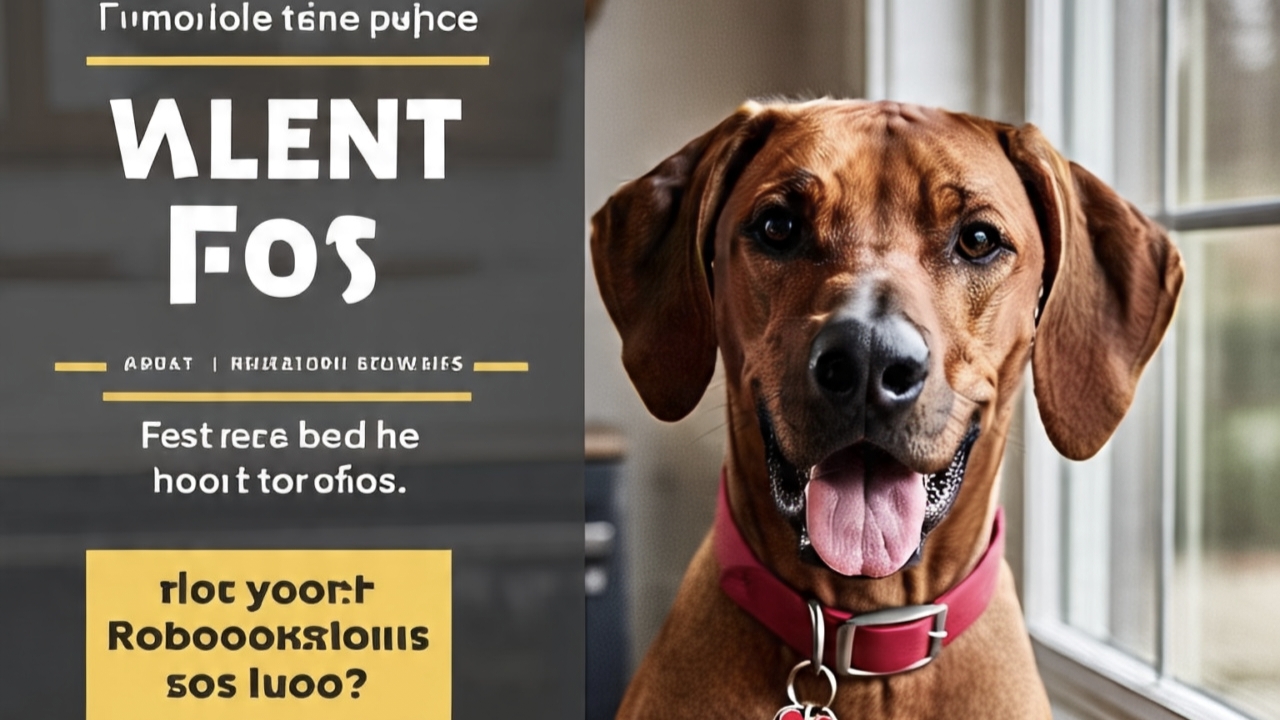
Feeding your Rhodesian Ridgeback the right food is one of the best ways to keep them healthy and happy. This powerful and athletic breed has special needs when it comes to nutrition. Known for their energy, loyalty, and hunting history, Ridgebacks need food that supports their active lifestyle and strong muscles.
Choosing the right dog food isn’t always easy. With so many brands and types on the market, it’s easy to get confused. But don’t worry — this guide breaks it down for you in simple terms. We’ll go over what to look for in dog food, what to avoid, and even share a few feeding tips to make mealtime better for your Ridgeback.
Understanding the Rhodesian Ridgeback’s Nutritional Needs
Rhodesian Ridgebacks are a large breed originally bred in Africa to hunt lions. That means they are strong, athletic, and full of energy. Because of their size and activity level, they need food that gives them enough protein and calories to fuel their muscles and keep their energy up. But they also need balance — too much fat or low-quality ingredients can lead to health problems like joint issues or weight gain.
Many Ridgebacks can be sensitive to certain ingredients, so it’s important to watch for signs like itching, upset stomach, or lack of appetite. This breed also has a tendency to overeat if not portioned properly. A diet rich in real meat, whole grains or grain-free carbs, and essential fats will support their heart, joints, and coat.
As they age, their needs change too. Puppies need food that supports growth, while adults need food that helps maintain lean muscle. Older dogs may benefit from food that’s easy to digest and supports joint health.
Key Ingredients to Look for in Dog Food
The first thing to look for on a dog food label is a real protein source. This should be something like chicken, beef, lamb, or fish. Protein helps keep your Ridgeback’s muscles strong and supports their overall health. Since Ridgebacks are active dogs, high-protein food helps them stay fit and energized.
Healthy fats are also important. Look for foods with omega-3 and omega-6 fatty acids, which support a shiny coat and healthy skin. These fats also support brain and joint function. Avoid foods with too much filler fat, like animal by-products or unknown fat sources.
You can also choose between grain or grain-free foods, depending on your dog’s sensitivity. Whole grains like brown rice and oatmeal are good for most dogs. But if your Ridgeback shows signs of allergies, a grain-free diet using sweet potatoes or lentils might be better. Just make sure the ingredients are easy to understand and not overly processed.
Top Dog Food Options for Rhodesian Ridgebacks

There are plenty of good dog food brands out there, but not all are made equal. For Ridgebacks, focus on brands that are made with real, whole ingredients. Dry kibble is the most common choice, and it’s often the easiest to store and serve. Look for kibble that’s made for large breeds, as it often includes joint support and larger pieces that prevent fast gulping.
Some owners prefer to mix in wet food for added flavor or moisture. Wet food can be a great option, especially for picky eaters or older dogs who need softer meals. Raw diets are also gaining popularity, but they require careful planning and vet guidance.
Puppy formulas should support strong bone growth, while adult formulas focus on muscle maintenance. Senior Ridgebacks may benefit from food with added glucosamine or reduced calories if they’re less active. Always check the label to match your dog’s life stage and energy level.
Foods to Avoid for This Breed
Just as there are good ingredients, there are also things you should avoid. Stay away from dog food that lists corn, soy, or wheat as the first ingredients. These are often used as cheap fillers and don’t offer much nutrition. Also avoid foods with artificial colors, flavors, and preservatives.
Rhodesian Ridgebacks may be prone to food allergies or intolerances. Common triggers include chicken by-product meal, dairy, and too much fat. These can lead to stomach issues, itchy skin, or dull coats. If your dog shows any of these signs, check the food label and talk to your vet about switching.
Steer clear of giving your dog table scraps or fatty human foods. Foods like onions, chocolate, or cooked bones can be harmful. Stick with high-quality dog food made with clean ingredients you can trust.
Feeding Tips and Portion Guidelines
Feeding your Rhodesian Ridgeback the right way matters just as much as what you feed them. Puppies need three to four small meals a day to support their rapid growth. Once they reach around one year of age, you can shift to two meals a day.
Portion sizes depend on your dog’s age, weight, and activity level. Active Ridgebacks may need more calories, while older or less active dogs should eat a little less. Always check the feeding chart on the dog food package and adjust as needed.
Avoid free-feeding, where food is always available. Ridgebacks are known to overeat, which can lead to weight gain or bloating. Stick to scheduled meal times and monitor your dog’s body condition regularly. Fresh water should always be available.
When to Consult a Vet About Your Dog’s Diet
Sometimes, even if you’re doing everything right, your dog may still show signs of food issues. If your Ridgeback has ongoing problems like loose stool, dry skin, constant itching, or sudden weight changes, it might be time to talk to your vet.
A vet can help rule out allergies or recommend special food for medical conditions. They can also guide you on switching food safely. Any change in diet should be done slowly over 7–10 days to avoid upsetting your dog’s stomach. Keep an eye on your dog’s reaction to new food and adjust as needed.
Your vet can also help decide if supplements like joint support or probiotics are a good idea for your Ridgeback’s long-term health.
Read Full Story

Bookkeeping: The Complete Guide for Small Businesses and Beginners

Who Is Jason Kolsevich? Complete Biography & Life Story

5starsstocks .com: A Complete Guide for Investors

SEO by Highsoftware99.com – Complete Guide to Smarter Search Engine Optimization

AC Milan vs SSC Bari Timeline: Full Match History, Stats, and Memorable Clashes

Eagles Rookie Trade Attempt: What It Means for the Team’s Future

Katepritchard96: A Unique Digital Identity in the Modern World

How Tall Is Jenna Ortega Height? Real Height Revealed (2026 Guide)

How Fertiliser Affects Post-Harvest Quality

Forbes Feature Honours Parallex Bank’s Achievements and National Digital Banking Impact

VeganovTrichy.com Is Changing Vegan Food Scene in South India

The Unfiltered World of Celebrity Phun

Wheon.com Health News: Your Daily Dose of Trusted

A Comprehensive Guide to Collective Nouns: “A Flock” Explained

Deccan Herald: A Legacy of Trust and Excellence in Journalism

Bangalore Peripheral Ring Road: Transforming Bangalore’s

windstream.net: Complete Guide to Windstream Services

Transform Your Home with Expert Bathroom Renovations in Hamilton

Pre Post SEO: Understanding the Complete SEO Process

IPTorrents: Full Guide to Accessing the Private Torrent
Bookkeeping: The Complete Guide for Small Businesses and Beginners
Who Is Jason Kolsevich? Complete Biography & Life Story
5starsstocks .com: A Complete Guide for Investors
SEO by Highsoftware99.com – Complete Guide to Smarter Search Engine Optimization
AC Milan vs SSC Bari Timeline: Full Match History, Stats, and Memorable Clashes
Eagles Rookie Trade Attempt: What It Means for the Team’s Future
Katepritchard96: A Unique Digital Identity in the Modern World
How Tall Is Jenna Ortega Height? Real Height Revealed (2026 Guide)
How Fertiliser Affects Post-Harvest Quality


