
News
5 Tips for Inspecting Your Car After an Accident

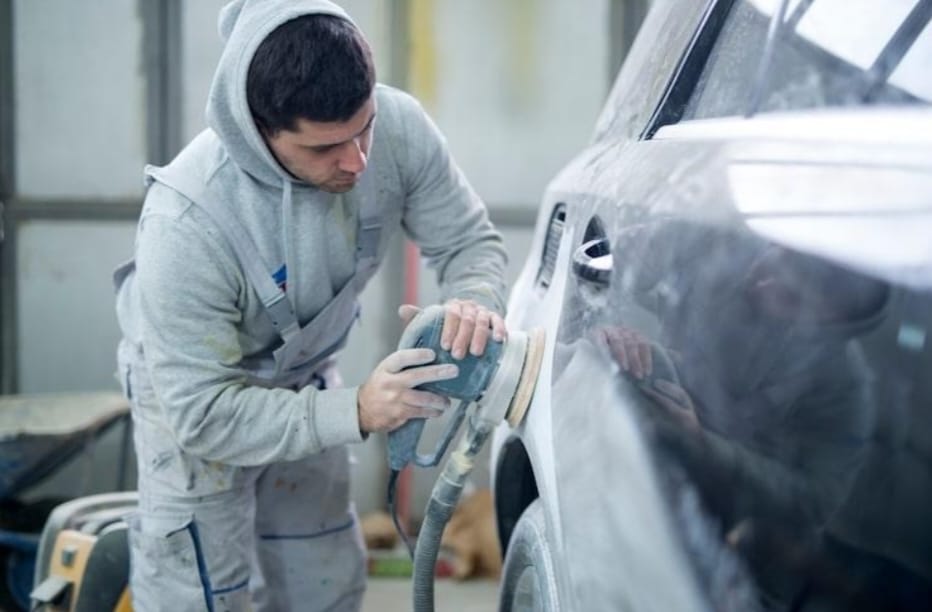
Being involved in a car accident can be a frightening moment for anyone. After you’ve made sure everyone is okay and you’ve called the police, it’s typically a good idea to see if you can assess the damage to your car. This will help give you talking points with your insurance company and will also help create a proper model of the autobody repair shop that you will need to visit later.
Regardless of what you are left with, whether it only has scratches and minor dents or major damage, your inspection will assist you in identifying less obvious issues that you might not recognize right away. Here are 5 helpful tips for evaluating your car’s condition after an unfortunate accident.
1. Begin with a Visual Check by Walking Around
Start with a walk around your car to get a good idea of the overall damage. Look out for clear signs of impact like
- Dents and scratches across all parts of the vehicle’s exterior
- aligned doors, hood, or trunk that won’t shut
- Lights that are cracked or broken, like headlights, taillights, or turn signals
- Bumpers with damage that might be loose or dangling
- Marks on the paint or paint shifted from another vehicle
Take pictures from different angles while inspecting the car. You’ll need these photos later to file insurance claims or talk to an autobody repair shop about fixes.
2. Inspect the Frame and Overall Structure
Damage to the frame can be the most critical issue after a collision. Keep an eye out for these key indicators:
- Uneven spaces around doors and panels
- Sticking doors or windows that won’t open or shut right
- Bent or warped areas on the frame of the car
- Vehicle drifting to one side while driving straight
- Strange sounds when opening the trunk or doors
Frame issues mess with your car’s safety and need quick help from a trained autobody repair expert. Don’t risk driving a car you think might have structural problems.
3. Check the Undercarriage and Mechanical Parts
Not all damage can be spotted from the outside. Get down low or grab a flashlight to look :
- Leaks of fluids like oil, coolant, brake fluid, or transmission fluid under the car
- Exhaust system issues, such as disconnected or bent pipes
- Suspension parts that might be bent or broken
- Brake and fuel lines with any visible signs of harm
- Tires that show strange wear patterns or any damage
You should fix any fluid leaks or mechanical problems since they have a serious effect on your car being safe to drive.
4. Check All Electrical and Safety Systems
Most modern cars depend a lot on electrical systems, which can sometimes be affected even in small accidents. Check these systems to make sure they work:
- All lights, such as brake lights, headlights, turn signals, and hazard indicators
- Dashboard warning signs should not stay lit
- Heating and cooling systems
- Window controls and door locks
- Safety systems, including seatbelt mechanisms or airbag warning indicators
Electrical problems after a collision might point to deeper damage needing expert autobody repair services.
5. Keep a Clear Record of Everything
Good records are key to filing insurance claims and receiving accurate repair quotes. Be sure to:
- Take clear pictures of all damage from different angles.
- Write down accident details like the time, place, and weather.
- Pay attention to the symptoms your car shows while driving.
- Hold onto all reports and insurance papers about the accident.
- Get several estimates from trusted repair shops.
When You Should Reach Out to a Professional
These procedures allow you to check for signs of obvious damage, but you may need an expert autobody repair shop in some situations. If you discover structural damage, if fluids are leaking from a damaged part of your vehicle, or if there is damage such that, before the accident, your vehicle was driving normally but now it is not. If that sounds like your situation, now is a good time to reach out to an autobody shop.
What could seem like “bumps and scratches” to your vehicle’s exterior has the potential to be covering over major issues underneath the surface. You should have a qualified technician take a comprehensive look at your vehicle at an autobody repair facility to relieve your mind and to ensure issues have been identified and repaired correctly. Following an accident, taking the time to review your vehicle plays a part in ensuring your safety and continuing the value of your vehicle on a longer time scale. When in doubt, it is always best to have a qualified expert look at the damage, someone who has the experience and the tools to fully assess the damage.

Bookkeeping: The Complete Guide for Small Businesses and Beginners

Who Is Jason Kolsevich? Complete Biography & Life Story

5starsstocks .com: A Complete Guide for Investors

SEO by Highsoftware99.com – Complete Guide to Smarter Search Engine Optimization

AC Milan vs SSC Bari Timeline: Full Match History, Stats, and Memorable Clashes

Eagles Rookie Trade Attempt: What It Means for the Team’s Future

Katepritchard96: A Unique Digital Identity in the Modern World

How Tall Is Jenna Ortega Height? Real Height Revealed (2026 Guide)

How Fertiliser Affects Post-Harvest Quality

Forbes Feature Honours Parallex Bank’s Achievements and National Digital Banking Impact

VeganovTrichy.com Is Changing Vegan Food Scene in South India

The Unfiltered World of Celebrity Phun

Wheon.com Health News: Your Daily Dose of Trusted

A Comprehensive Guide to Collective Nouns: “A Flock” Explained

Deccan Herald: A Legacy of Trust and Excellence in Journalism

Bangalore Peripheral Ring Road: Transforming Bangalore’s

windstream.net: Complete Guide to Windstream Services

Transform Your Home with Expert Bathroom Renovations in Hamilton

Pre Post SEO: Understanding the Complete SEO Process

IPTorrents: Full Guide to Accessing the Private Torrent
Bookkeeping: The Complete Guide for Small Businesses and Beginners
Who Is Jason Kolsevich? Complete Biography & Life Story
5starsstocks .com: A Complete Guide for Investors
SEO by Highsoftware99.com – Complete Guide to Smarter Search Engine Optimization
AC Milan vs SSC Bari Timeline: Full Match History, Stats, and Memorable Clashes
Eagles Rookie Trade Attempt: What It Means for the Team’s Future
Katepritchard96: A Unique Digital Identity in the Modern World
How Tall Is Jenna Ortega Height? Real Height Revealed (2026 Guide)
How Fertiliser Affects Post-Harvest Quality


